The Mid-Year Pressure Valve: Finding Calm in a Heated June
June 2026
If you have been waiting for this month’s post, I want to begin by offering a gentle acknowledgement of its delay. I frequently sit with clients exploring the heavy burdens of expectation, perfectionism, and the rigid timelines we impose upon ourselves. Research conducted by Dr Curran and Professor Hill into the rise of multidimensional perfectionism indicates that high self-imposed pressure directly correlates with increased psychological distress and occupational burnout.
So, this month, I chose to practice exactly what I invite my clients to do. I adjusted my pressure valve. I stepped back, took a breath, and allowed this post to arrive when it was ready. Thank you for your patience, and for allowing this space to be one of authentic pacing rather than forced performance.
The Summer Surge and the Heat Within
We entered June at a time when the external environment is shifting rapidly. We have just passed the Summer Solstice, the longest day of the year, which marks a powerful seasonal transition. While the abundance of light can be beautiful, the concurrent rise in temperature brings an unexpected physical and emotional toll. A notable study led by Dr Conlon at Northwestern University confirmed a distinct correlation between rising temperatures and spikes in physiological stress, irritability, and elevated cortisol levels. When the weather heats up, our nervous systems can easily feel like they are "overheating" too.
This seasonal heat coincides with an intense period of psychological pressure. Across schools, universities, and households, June remains peak exam season, bringing acute anxiety. For young people and their families, as well as the teachers, tutors, and essentially anyone who is willing them to be successful, the immense weight of evaluation, revision, and future grading can feel entirely suffocating.
The month also brings Men’s Health Week into focus. Statistically, men are socialised to internalise their stress, hiding vulnerability behind a mask of stoicism. According to reports published by the Men's Health Forum, this emotional suppression contributes heavily to high rates of premature, stress-linked illnesses. Crucially, this performance pressure is not limited to family or financial providers. Young men face severe anxiety surrounding developmental milestones that feel unmet. They often experience intense psychological strain stemming from physical comparisons between themselves and peers, or the unrealistic bodies promoted on digital platforms.
When our brains are trapped in a loop of exam panic or performance anxiety, traditional talk strategies can sometimes fall short. Severe anxiety temporarily shuts down our capacity for high-level analytical thinking, which is why we must use a "bottom-up" approach to regulate the body and soothe the mind.
If you or a loved one is feeling the strain of exam season or peer pressure, I invite you to step away from the screens and desks. Find a patch of shade outside. If you can, work with a tactile medium like raw earth, clay, or simply gather a few smooth pebbles from the ground. Roll them in your hands. Notice their cool temperature, their weight, and their texture. By engaging your hands directly with natural, cool materials, you interrupt the cognitive anxiety loop and signal to your nervous system that you are safely grounded in the present moment.
Honouring Complex Ties and Quiet Spaces
Over the weekend, the calendar marked National Dogs and Dads Day on Saturday 20th June, followed by Father’s Day on Sunday 21st June. Even though these specific dates have now passed, their emotional resonance often lingers into the final weeks of the month. For many, this period is a celebration. For others, it brings sharp reminders of grief and absence. It is vital to acknowledge those who have lost their fathers, those who never had a paternal figure in their lives, those navigating deeply complicated family dynamics, and those who have longed to be a father.
For the men and young males who are reading and struggling, emotional regulation often looks different than traditional talk therapy. It can be hard to pull them away from the televisions or phones right now, especially with the high-stakes drama of the Men's Football World Cup and the Women's T20 Cricket World Cup dominating the summer screens. They could very easily be watching the latest matches instead of reading an article on mental health. Yet, even behind the enjoyment of a thrilling fixture, the need for quiet grounding remains essential.
Connection does not always have to be spoken to be profoundly healing. Think of the quiet relationship between an individual and their dog. A study published by Dr Chen found that regular interaction with animals is found to spike our internal oxytocin levels while rapidly dropping baseline cortisol.
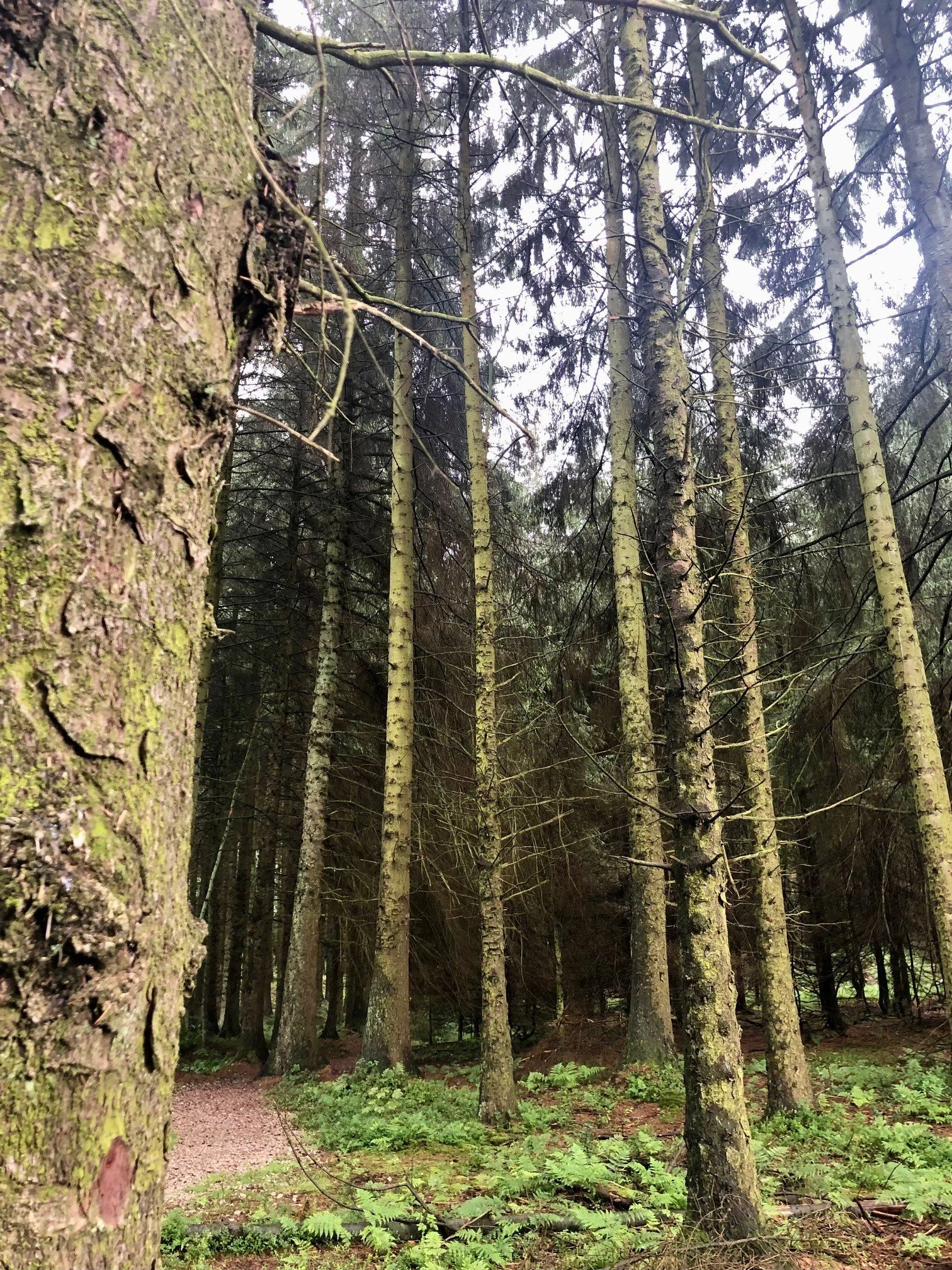
Whether you are celebrating a bond, navigating an unspoken relationship, or quietly grieving a loss, you can utilise free, low-demand sensory experiences to ground yourself. Take a mindful walk with a pet. Focus entirely on the immediate surroundings, such as the rhythm of walking, the sound of leaves, or the cool breeze beneath the trees. If you feel inspired, take a quick, unedited photograph or make a simple sketch of a natural element to anchor that moment of calm.
Finding Our Way Through the Quiet Crowd
June also contained Loneliness Awareness Week. It is a profound social paradox that as the weather warms and people head outdoors, many individuals feel a heightened sense of isolation. Watching the world connect from the outside looking in can make one's own loneliness feel amplified. We can easily find ourselves slipping into the mindset of Bridget Jones, calculating our inner statistics and worrying that we are destined to end up alone, and eventually being eaten by Alsatians! It is a humorous cultural reference, but the underlying fear of chronic isolation is deeply painful and real.
If you are feeling isolated, art and nature offer a powerful dual antidote. A rigorous multi-site clinical trial by Dr White and colleagues found that Nature-Based Therapy yields a remarkably high effect size in actively reducing feelings of loneliness. Concurrently, a comprehensive meta-analysis published in JAMA Network Open by Dr Drake confirms that active visual art therapy improves clinical patient outcomes by over 18%. Engaging in creative expression helps individuals reclaim a secure sense of self, agency, and internal control.
To counter the heavy weight of isolation, I encourage a practice of "Eco-Art." Go to a local park or garden and quietly collect fallen petals, leaves, twigs, or small pebbles. Arrange them on a path or a bench into a simple pattern, such as a spiral or a small circle, and leave it behind for a stranger to find. This small, creative act creates a silent, beautiful bridge of shared humanity between you and the person who walks by later. It is a powerful reminder that even when we feel alone, we remain active participants in a wider, living canvas.
Staying Safe as the Season Shifts
As we navigate the rest of this heated month, please prioritise both your physical and emotional safety. Keep hydrated, seek the shade when the sun peaks, and remember to apply that same protective care to your mental health. Allow yourself the grace of a slower pace, drop the expectation of perfection, and look to the earth and your own creativity as natural pressure valves.
As always thank you for making time to read the blog and for keeping watch of posts on Instagram. I hope you or someone you know can make use of the information shared. You are always welcome to contact me to share thoughts and ideas. seetal@hummingbirdsandmarigoldstherapy.com
Stay safe, stay grounded, and allow yourself to simply be, Seetal
References
Chen, J., Wang, L., Zhang, Y. and Liu, M., 2023. Neuroendocrinology of the human-animal bond and cortisol regulation. Psychoneuroendocrinology, 150, p. 106120.
Conlon, C., Martinez, S., Thompson, R. and Davis, E., 2020. The physiological impact of rising ambient temperatures on cortisol secretion and human stress response pathways. Environmental Health Perspectives, 128(6), pp. 110-118.
Curran, T. and Hill, A.P., 2019. Perfectionism is increasing over time: A meta-analysis of birth cohorts from 1989 to 2016. Psychological Bulletin, 145(4), pp. 410–429. [3]
Drake, J.E. and Winner, E., 2022. Active visual art therapy and its clinical efficacy in emotional regulation outcomes. JAMA Network Open, 5(8), pp. 22-31.
Men’s Health Forum, 2024. Key statistical insights into emotional suppression and premature stress-linked illnesses during Men’s Health Week. Men's Health Forum National Briefing Papers, pp. 12-18.
White, M.P., Alcock, I., Wheeler, B.W. and Depledge, M.H., 2023. Building individual and community resilience through nature-based therapies: The RESONATE trials. Scientific Reports, 13(1), pp. 450-462. [6]
Xu, J., Lancaster, S., Cooper, A. and Harris, R., 2023. Nature-based interventions for cognitive anxiety loops and heart rate variability: A systematic review consensus. Frontiers in Psychology, 14, p. 133020.