Spring Isn’t Always Sunshine
March 2026
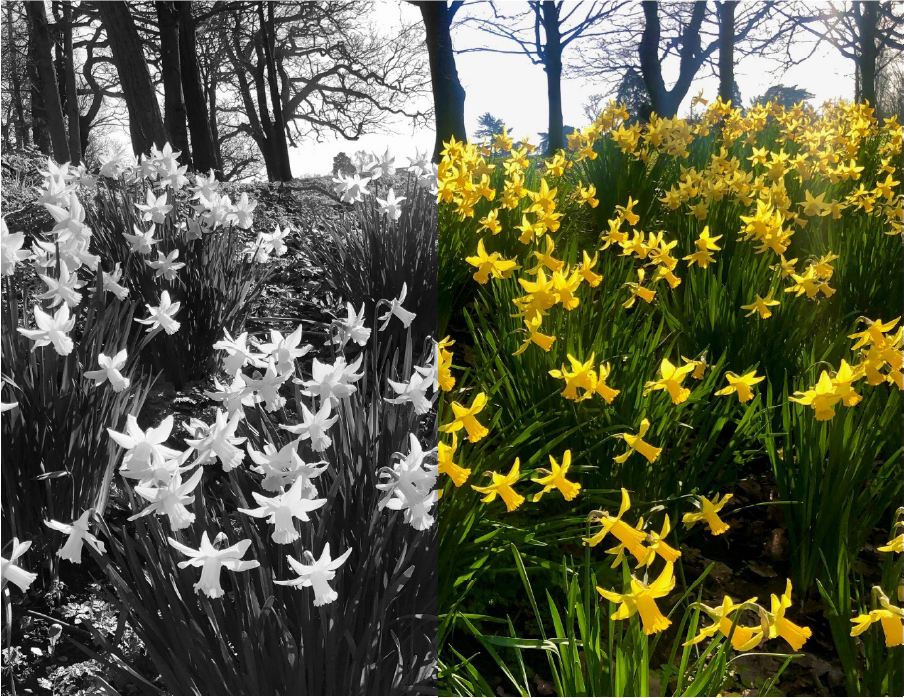
March has a particular atmosphere in the UK. The days are a little longer, the first daffodils appear in parks and along roadside verges, and there’s a quiet sense that winter is beginning to loosen its grip. Soon the clocks will change to British Summer Time, bringing that familiar moment when someone leaves work, school, or university and notices, with mild surprise, that the evening light is still lingering.
Spring is widely associated with renewal. It’s culturally framed as a season of fresh starts, new routines, and movement after the slower pace of winter. Yet in the therapy room, March's emotional experience is often more complex. For some people, particularly those between their mid-teens and mid-life, spring does not feel energising at all. Instead, it can bring fatigue, irritability, anxiety, or a persistent low mood. This can feel confusing when the world around seems to be waking up.
Research suggests this experience is not unusual. While seasonal affective disorder is most commonly associated with winter, seasonal mood variation throughout the year is well-documented. In the Diagnostic and Statistical Manual of Mental Disorders (DSM-5), clinicians recognise major depressive disorder with seasonal pattern, a subtype in which depressive symptoms recur at particular times of year. Although winter onset is most common, spring and early summer patterns have also been observed.
One of the earliest researchers, Rosenthal et al., first described seasonal affective disorder in the 1980s, showing that changes in daylight exposure could influence mood and energy in vulnerable individuals. Later studies suggested that seasonal mood variation exists along a spectrum. Research by Terman et al found that a significant minority of adults experience mood changes during seasonal transitions, including spring, often linked to circadian rhythm disruptions rather than sunlight alone.
Circadian rhythms (the body’s internal clocks) that regulate sleep, hormones, temperature, and cognition are strongly influenced by light. When daylight increases rapidly in spring, the brain must recalibrate its timing. Even small shifts can affect emotional regulation and stress responses. Sleep plays a key role: changes in light affect melatonin, which regulates sleep, and serotonin, associated with mood stability. Temporary emotional instability can emerge as the body adjusts.
The upcoming clock change for Summer Time introduces another small disruption. Although losing one hour of sleep may appear trivial, researchers have shown that even minor changes in sleep schedules can temporarily affect mood and concentration. Roenneberg’s work on “social jetlag”, the mismatch between biological clocks and social schedules, links such misalignment to fatigue and reduced psychological well-being.
The cultural narrative of spring as a moment of renewal can feel appealing but unrealistic. Social messaging encourages reinvention: fitness programmes restart, homes are reorganised, and social calendars fill. Psychological theories help explain why this can feel stressful. Higgins’ self-discrepancy theory posits that distress arises when a gap exists between how people see themselves and how they believe they should be. Seasons emphasising productivity and improvement can magnify this perceived gap. Clients have reported the feeling of dread that comes with more invitations to go out and meet up with friends now that “there’s no excuse that its dark and cold after school or work.”
Social comparison amplifies these pressures. Festinger showed that people naturally evaluate themselves against others. Modern digital environments intensify this. Spring, with its cultural focus on activity and progress, can make comparisons feel especially visible. British humour captures this subtly: Bridget Jones’s internal monologue blends optimism and self-criticism, reflecting the quiet anxiety many feel about falling behind as life seems to thrive around them. That said, International Women's Day celebrates achievements while prompting discussion on gender equality and everyday responsibilities. Sociological research examines the “mental load”: the invisible emotional labour of managing households, relationships, and social coordination. Women often carry a disproportionate share, even when tasks are shared. Yet pressures around productivity, responsibility, and emotional restraint affect all genders. Many individuals feel caught between multiple expectations: academic or professional success, maintaining relationships, supporting family, and pursuing personal fulfilment.
Later in the month, the world observes the International Day of Happiness, supported by the United Nations. While the intention is positive, research suggests the pursuit of constant happiness can be counterproductive. Work associated with Hayes emphasises psychological flexibility rather than the elimination of negative emotions. Wellbeing grows from the capacity to experience difficulties without becoming overwhelmed. A client once told me that they didn’t understand why we have a fake day to celebrate happiness when there were wars, famine and other bleak situations taking place around the world, let alone the dread felt about exams and financial concerns surrounding heading off to university. This is a useful reminder that celebrations or dates in the diary that mean one thing to someone, can mean and feel something very different to someone else.
Even the concept of Spring cleaning also acquires a psychological dimension. Environmental psychology shows that physical surroundings strongly influence mental states. Studies of family homes indicate that clutter elevates stress, while small acts of organisation create a sense of control and accomplishment. Behavioural science supports this. Fogg found sustainable change arises from small, repeated actions rather than dramatic reinventions. Clearing a desk, opening a window, or taking a short walk may seem minor, but they can build momentum.
For those who find spring unexpectedly challenging, the most important step may be recognising that such reactions are understandable. Therapy often reveals that feelings of being stuck, anxious, or uncertain are widely shared. Transition periods, seasonal or otherwise, commonly provoke these responses. Spring is often described as a dramatic rebirth, yet growth rarely happens suddenly. Seeds lie beneath the soil before shoots appear; roots form quietly first. Human change often follows the same pattern.
As the clocks move forward and evenings grow lighter, the signs of spring will become more visible. Parks will fill again, and daily rhythms will shift. But these changes do not require instant renewal. Seasonal transitions affect individuals differently, and emotional adjustment rarely follows a strict timetable. Try to honour how you feel and think. If you’re struggling be your own superhero. Patience and understanding are more helpful than pressure. Sometimes the most meaningful step begins not with a dramatic transformation, but with a conversation.
As always, thank you for taking the time to read this month’s post. Your thoughts are welcome, and may March bring moments of calm and clarity in an otherwise uncertain world, Seetal
References
Diagnostic and Statistical Manual of Mental Disorders (DSM-5) Major Depressive Disorder
Rosenthal et al (1984) Seasonal affective disorder. A description of the syndrome and preliminary findings with light therapy
Terman et al Prevalence of Seasonal Affective Disorder at four latitudes
Roenneberg’s Social Jetlag: Misalignment of Biological and Social Time
Higgins Self-discrepancy: A theory relating self and affect
Festinger Social Comparison Theory
Hayes How Does Acceptance and Commitment Therapy (ACT) Work?
Fogg The Power of Consistent Small Actions: How Tiny Habits Lead to Big Changes