Holding Steady When the World Feels Heavy: Finding Grounding Within
April 2026
This month’s post cannot shy away from some big and unsettling issues, because that is the reality of living in an unpredictable world. From environmental crises to geopolitical tensions, these events can weigh heavily on our minds. Acknowledging these feelings is not a sign of weakness; it is a recognition of our shared humanity.
You might notice it in small ways: finding it harder to switch off, feeling a quiet sense of dread when you check the news, or carrying a low-level anxiety that is difficult to explain. For some, it shows up as overwhelm; for others, as numbness or disconnection. If this resonates, you are not alone, and there is nothing unusual about your response.
In recent years, psychologists have increasingly recognised how global events can affect our mental health. Clayton (2019), a pioneer in climate psychology, notes that climate anxiety; the distress caused by awareness of environmental threats is a legitimate emotional response, often compounded when people feel powerless to act. Similarly, research by Dodds (2021) highlights that these feelings often intertwine with grief and guilt, showing that anxiety about the planet is not irrational but deeply human.
Large-scale studies also suggest that frequent exposure to distressing news, whether about climate change or geopolitical conflict, is linked to increased stress, worry, and feelings of helplessness. Our brains are wired to detect threats, which means that even indirect exposure to danger can leave us feeling unsettled, sometimes without our conscious awareness.
When the world feels unpredictable, whether due to war, economic fluctuations, or environmental crises, our anxiety is often tied to uncertainty itself. Greenberg, Pyszczynski, and Solomon’s (1986) Terror Management Theory explains that awareness of mortality and vulnerability can trigger profound existential anxiety. People naturally use psychological buffers, such as relationships, meaning, and self-esteem, to help manage these fears. Research from conflict zones, such as studies on Ukraine (2022), shows that exposure to unpredictable events can heighten anxiety and stress, even among those not directly harmed.
Many people experience a stronger sense of anxiety when familiar routines feel disrupted, whether because of changes in local life or broader global events that affect everyday essentials such as energy, food, or financial security. Recent conflicts and economic fluctuations remind us how interconnected the world is and how quickly basic needs can feel uncertain. These experiences can intensify feelings of stress and loss of control, making it even more important to attend compassionately to our emotional reactions.
Some clients have shared that they experience similar feelings when the world feels unpredictable, whether it is anxiety about climate change, economic pressures, or global conflict. Hearing these concerns is a reminder that these reactions are normal and that support is available.
Some people also experience regret, for example wishing they had acted sooner on personal or environmental matters, or feeling guilty about what they could have done differently. Therapy can help explore these feelings, not by erasing them but by recognising what is within your control now and finding ways to move forward without being overwhelmed by “what ifs.” Learning to process regret is a key step in building resilience and maintaining hope, even when the world feels uncertain.
Understanding these responses helps challenge common stereotypes about anxiety. Feeling anxious in response to global crises is not a sign of weakness, and struggling to cope does not mean someone is overly sensitive or ill-equipped to manage life. Nor is climate anxiety limited to young people or the eco-conscious; it can affect anyone, regardless of age, background, or belief system. Recognising this helps us approach our own and others’ reactions with compassion rather than judgment.
So, what can we do when the weight of the world feels heavy?
Set gentle boundaries. Being informed does not require constant exposure. Consider switching off from social media, the news, television, radio, or other updates at times that suit you.
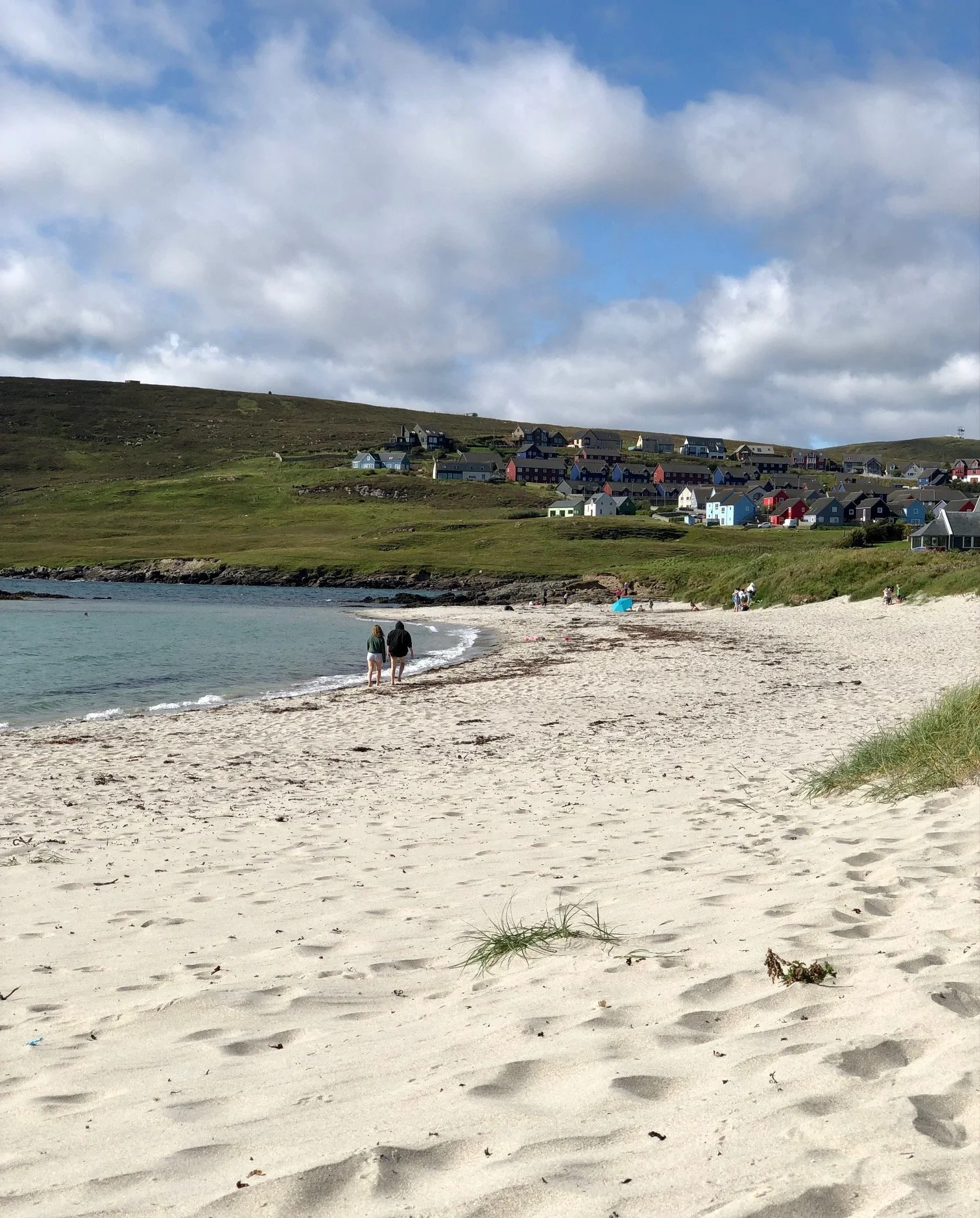
Reconnect with what you can control. Small, meaningful actions, such as spending time in nature, walking barefoot on the beach or grass, volunteering locally, or engaging in creative expression, can restore a sense of agency.
Notice your thoughts. During periods of uncertainty, catastrophic thinking is common. Simply acknowledging these patterns without judgment can create psychological space.
Lean into hope and wonder. Even in challenging times, reminders of human curiosity and collaboration exist. For example, in April 2026, NASA’s Artemis II mission marked the first crewed lunar flyby in over 50 years, offering a fresh perspective on our planet and our place in the cosmos. Sometimes, hope is quieter, found in humour, routine, or the resilience captured in a simple, human moment.
If anxiety, overwhelm, regret, or grief start to feel unmanageable, it can help to speak with a professional. Even a few sessions can provide strategies, a safe space to process, and guidance on navigating life’s unpredictability. Therapy is not about fixing yourself; it is about supporting your wellbeing and finding tools that work for you.
There is no perfect way to respond to a complex and often distressing world. Caring for your wellbeing, such as setting boundaries, noticing your emotions, processing regret, and seeking connection, is not a failure of compassion. It is the foundation that allows sustainable empathy, curiosity, and hope to flourish.
Even amidst uncertainty, the world continues to hold opportunities for wonder, connection, and growth. Acknowledging that, while difficult, is itself an act of resilience.
As always, thank you for taking the time to read this month’s post. Your support on Instagram is also always greatly appreciated; it means a lot to know these ideas are reaching and resonating with you. If you found this article helpful, please feel free to share it with friends or family who might also benefit and get in touch with suggests for content you want me to explore further.
I hope April brings you a space to breathe, notice the small wonders, and nurture your wellbeing amidst life’s uncertainties, Seetal seetal@hummingbirdsandmarigoldstherapy.com
References
Clayton, S. (2019). Climate anxiety: Psychological responses to climate change. American Psychological Association – Climate Change and Mental Health
Dodds, S. (2021). The emotional impact of environmental awareness: Grief, guilt, and anxiety. Climate Psychology Alliance Summary
Greenberg, J., Pyszczynski, T., & Solomon, S. (1986). The causes and consequences of a need for self-esteem: A terror management theory.
Research from Ukraine conflict zones (2022) How the Red Cross has been helping people affected by the crisis in Ukraine, since the start of the conflict in February 2022
NASA Artemis II Mission (2026). NASA Artemis Program